




Over the past decade, creative testing has undergone a major paradigm shift. As new channels, formats, and platforms emerged, so did new types of content, creating exciting opportunities for advertisers to connect with audiences.
At the same time, this evolving landscape has introduced new levels of complexity, turning advertising into a fragmented, fast-paced ecosystem – one that requires a more nuanced and adaptive approach to creative evaluation.
From TV to TikTok
The smartphone revolution was a defining moment for modern advertising. It changed how people’s attention is captured and divided across channels and screens. As audiences moved from a predominantly TV-centric environment to a multi-platform ecosystem, one thing became clear: attention works differently in different digital environments.
Creative that performs well on TV, for example, won’t necessarily work on social media because each platform shapes attention differently – through its format, pace, viewing context, and other factors. TV and cinema create room for more immersive storytelling. In these environments, ads that build emotion, suspense, and narrative over time are more able to draw viewers in.
In contrast, digital platforms demand a more immediate creative approach that lands the message quickly. Even among these platforms, the rules vary: what works on YouTube may not work on TikTok, and what works on TikTok may fall flat on Facebook.

On fast-screen platforms like TikTok and Instagram, advertisers have to capture attention instantly, within the first 2 seconds, before users scroll past. Here, sound (especially music), a strong opening hook, and early brand cues play a key role in engaging audiences.
YouTube sits somewhere in the middle of this spectrum, offering more room for storytelling while still requiring quick engagement (6 seconds) before users decide to skip.
The challenge for advertisers, then, becomes two-fold: understanding how attention works across environments, and how to capture that attention and communicate their message effectively within those parameters.
The need for creative intelligence
Traditional creative testing was designed for a simpler, more controlled media environment. Today’s landscape calls for something sharper.
Over the years, we’ve worked with platform partners like Meta to understand how advertising performs in different environments and develop best practices across the media landscape. Through this, it became clear that creative testing was no longer about testing individual assets but about building a continuous, system-level approach to testing and optimization – what we call creative intelligence.
In practice, we often see brands testing only their TV ads or just a fraction of the digital assets they produce. On average, only around 10% of assets are tested before going live. In other cases, testing is limited to in-market performance using outdated benchmarks that only provide a partial view of effectiveness. Pre-testing is a largely underutilized opportunity for brands to learn what is working, what is not, and optimize creative before media spend is committed.
Build creative intelligence with ACT Instant AI
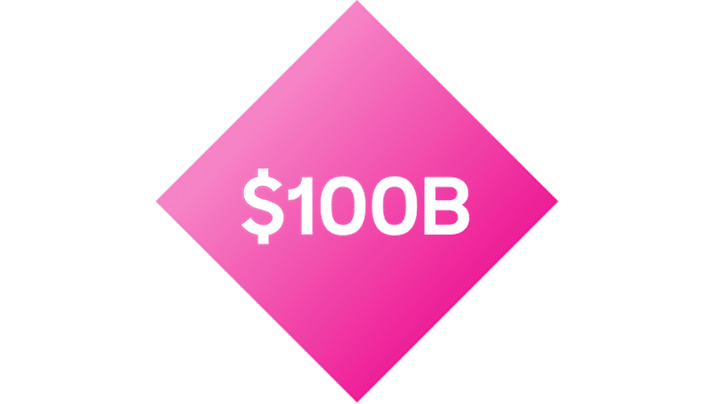
Estimated annual spend on creative assets that are never activated
- WARC
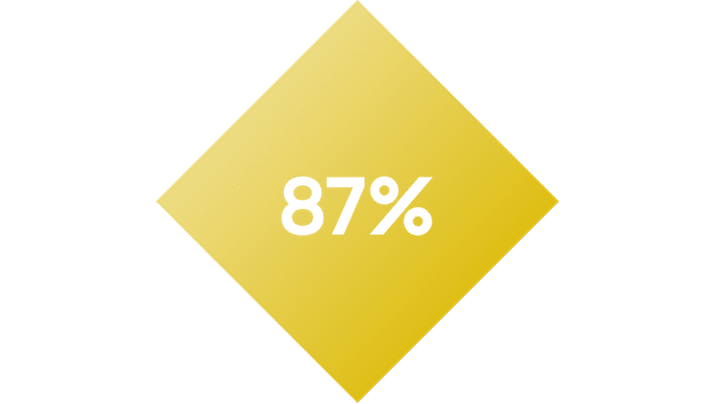
of CMOs launched underperforming campaigns in the last 12 moths
- Gartner
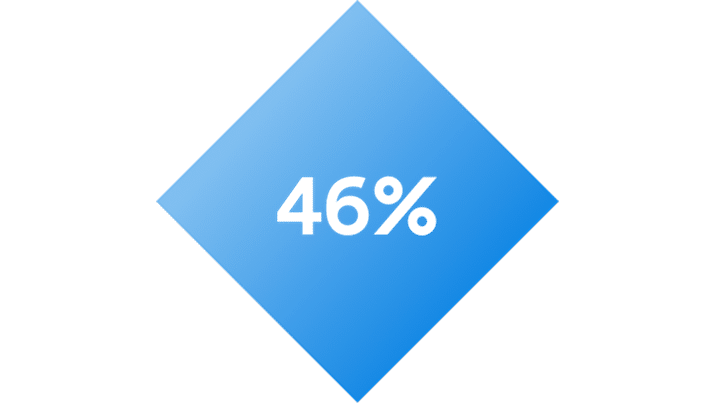
Revenue uplift from ads that test strongly pre-launch vs. untested ads
- Toluna
Some organizations still resist embracing a culture of testing, viewing it as a constraint on creativity. In reality, the opposite is true. Just like an artist working with a limited color palette, constraints can enhance creativity by providing focus and direction. Similarly, testing, when done right, doesn’t limit creativity; it refines it.
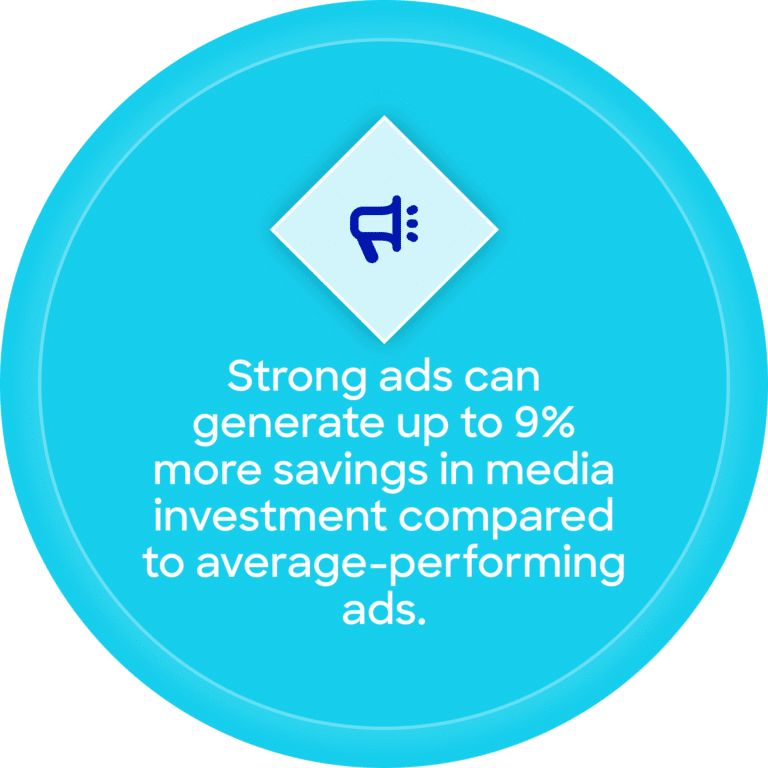

The future of testing
As the advertising landscape becomes more fragmented, fast-paced, and competitive, the ability to turn creative ideas into assets that strengthen your brand will only become more critical. That means treating testing not as a checkbox, but as an iterative process that strengthens your creative over time. The good news is that with the development of faster, scalable solutions, testing your entire advertising ecosystem and iterating on the go is easier than ever before. The result is not only stronger creative, but greater efficiency through media savings, stronger brands and, ultimately, better sales outcomes.
We see this pattern in our multi-year partnerships with clients: adopting a structured, continuous testing approach results in a measurable uplift in creative quality. Not only do individual ads improve, but the overall baseline standard of creative rises as each round of testing builds on previous iterations.
Explore more on our advertising testing page. If you’re looking to unlock greater value from your creative, contact our team to learn how.

Watch more about creative intelligence