







AI has transformed markets across the board, and retail is no exception. In part 1 of this series, we explored how the modern shopping experience has evolved, from the e-commerce boom to changing consumer expectations. Now, we’re looking at the role of AI and personalization in shaping the future of retail.
The new frontline of digital shopping
Despite the rapid integration of AI into online retail, many consumers are unaware of its presence in the retail space. Over half of global consumers say they don’t use AI when shopping online – but their behaviors tell a different story. From comparing prices and features to reading reviews and engaging with personalized discounts, shoppers are already interacting with AI-powered systems every day. This disconnect highlights a clear knowledge gap: consumers are using AI without recognizing it.
Features used when shopping online

Ever used AI when researching products to buy
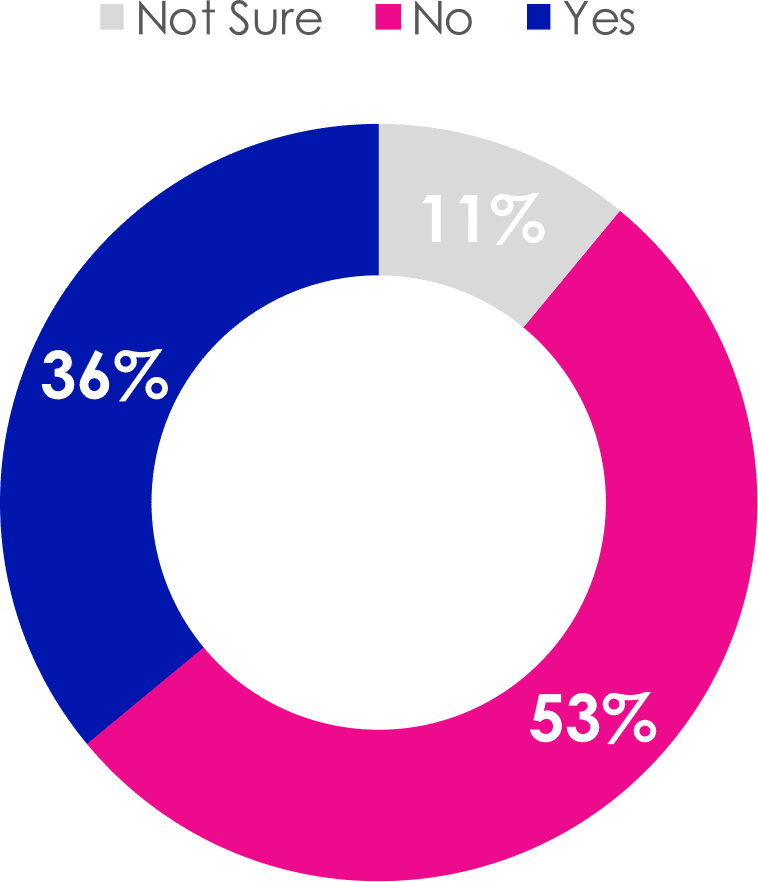

Males and those 18-34 more likely to use AI when researching
Ever used AI when researching products to buy | By country
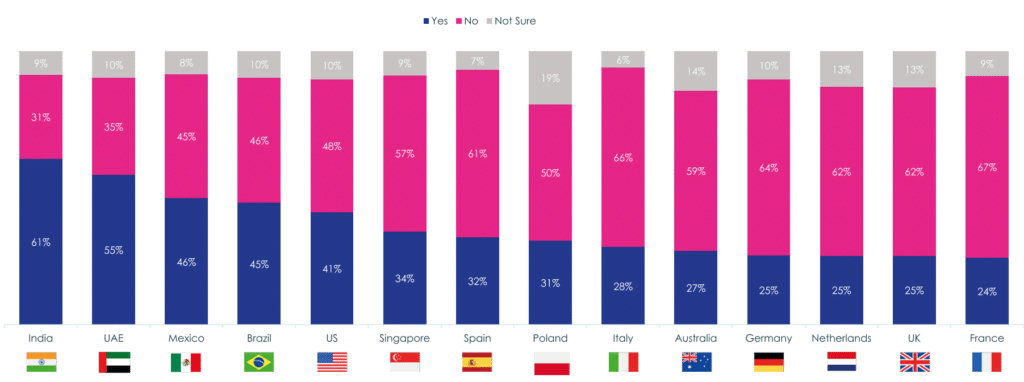
Part of this knowledge gap stems from how AI is perceived by consumers. Across countries, shoppers use AI to compare prices, features, and product reviews, as well as to benefit from personalized discounts. Yet few engage with more visibly advanced AI applications like virtual assistants or 3D product previews. As a result, everyday AI-driven elements (such as recommendation engines or dynamic pricing) often go unnoticed. In fact, 16% of consumers say they don’t know what “AI in shopping” even means, reinforcing the idea that AI’s role in retail is still largely invisible.
Variance across markets
While perceptions of AI features are similar across countries, consumer attitudes towards AI in retail differ significantly by market. In European countries like Germany, the Netherlands, Italy, France, and Poland, consumers demonstrate a higher level of uncertainty about AI and its role in modern shopping experiences compared to markets like India, the UAE, Brazil, and Mexico. In these markets, consumers are more comfortable with AI’s influence on their shopping journeys. As a result, consumers in these markets are more open to AI-driven personalization and generally view AI in a positive light. This stands in stark contrast to the broader global sentiment – 49% of consumers claim that knowing a company is using AI does not impact their perception of that brand.
How comfortable are you with companies using AI to personalize your shopping experience?

For brands, the opportunity – and challenge – is clear. While AI is already making waves in the modern shopping experience, its value is often overlooked by consumers. Bridging this gap requires more than simply adopting AI; there is a need for transparency, awareness, and an active effort towards building trust with AI. When done right, this can turn AI from an invisible engine to a visible differentiator.
In more skeptical markets (i.e. Europe), brands will need to work harder to build this trust and demonstrate the value of AI. The good news is that there is an opportunity to learn from markets that are already embracing AI.
Ultimately, the future of AI in retail will not be defined solely by technological advancement, but by how well brands bring consumers along on the journey.